Tarangire Game Drives – Included
A Tarangire game drive feels like entering a living documentary: huge herds of elephants move through open woodland dotted with giant baobabs, giraffes browse acacias and predators stake out watering holes. Tarangire’s perennial river and scattered waterholes concentrate animals during the dry months, creating superb, close-up wildlife viewing that is both photographic and immersive. Expect to see large family groups of elephants — sometimes hundreds and excellent birding including raptors and migratory species.
Typical game drive structure: depart at dawn or mid-afternoon from your lodge in a purpose-built 4×4 with an experienced guide who reads animal behavior and microhabitats.
- Duration: half-day drives (3–4 hours) are common; full-day drives (6–8 hours) include a picnic and allow you to move between river corridors and quieter plains.
- Best time: the dry season (June–October) for concentrated game around the Tarangire River and clearer roads; early morning and late afternoon for active predators and the best light. For honeymooners, request private vehicle options and flexible stops for photos; families benefit from shorter drives and midday rest at the lodge. Guides will adapt route and pace depending on client interests — photography, birds, or big mammals. (See park wildlife overview and elephant concentrations for context.)
Tarangire Balloon Safari – USD599 Per Person
A Tarangire Balloon Safari lifts your safari into the sky for a serene sunrise flight over one of Tanzania’s most dramatic ecosystems. Before dawn you’ll be collected from your lodge and driven to the launch field; the quiet buildup, flame inflation and first light create a hushed, cinematic atmosphere. The 40–60 minute balloon flight drifts gently above acacia-studded plains, the Tarangire River corridor and scattered baobabs. From the basket you’ll often see herds of elephants moving like living rivers, giraffes browsing treetops, and predators crossing distant plains — the aerial view reveals patterns of movement that a vehicle cannot. After landing, crews traditionally celebrate with a champagne or non-alcoholic bush breakfast laid out under a tree, adding a romantic, celebratory finish. Ideal for honeymooners and luxury travelers seeking a special, memorable experience; families with older children can join where operators permit. Bring a light jacket for cool pre-dawn temperatures and a camera with a strap for sweeping aerial shots.
- Duration: Expect a total experience of about 5 hours (early pickup, transfer to launch site, safety briefing, flight, and post-flight bush breakfast).
- Best time: Sunrise flights are standard — early dry season (June–October) offers the clearest skies and best visibility, while December–March can be spectacular during migration-related movement in the southern ecosystem. Flights are weather-dependent (canceled for high winds or storms), so plan the balloon on an early day of your stay.
- Tips: Dress very warmly for the chilly pre-dawn (layers and a hat). Secure your camera in the basket. Enjoy the once-in-a-lifetime view of the sunrise over the Serengeti. Don’t miss the post-flight toast and elegant breakfast – it’s part of the adventure

Night drives reveal an entirely different Tarangire, where nocturnal species emerge and the day’s performers rest. On a guided night game drive you’ll search for hyenas, genets, aardvarks, porcupines, civets and sometimes leopard activity near waterholes. The sense of being alone with the sound and shimmer of the bush is quiet, intimate and a little cinematic — headlamps briefly illuminate eyeshine, and skilled guides interpret behavior by sound and spoor. Night drives are typically offered by camps with the correct permits or in private conservancy areas adjacent to the park; they are often limited in group size for safety and wildlife welfare.
- Duration: night safaris normally last 2–3 hours after dusk, with pick-up and return to camp included.
- Best time: dry season evenings (June–October) when skies are clear and roads firm; avoid heavy rains for comfort and visibility. Safety: licensed guides and vehicles with spotlights are required; confirm lodge permissions in advance. Night drives are perfect for adventurous honeymooners and families with older children who can manage late evenings; luxury travelers may prefer private, candle-lit bush dinners or combined night drive + sundowner packages. Because of regulations and variable availability, always check with your lodge or operator when planning a night safari.
Tarangire Walking Safari – Ask for pricing
Walking in Tarangire is an intimate way to learn the language of the landscape: tracks, dung, scent and tiny details that a vehicle can’t reveal. Led by an armed ranger and an experienced walking guide, a walking safari moves at a gentle pace so guests can identify animal spoor, insects, medicinal plants and birdlife while learning about local ecology and Maasai land stewardship. Walking safaris are educational and photographic in a different way — think macro moments, quiet bird calls and thrilling but safe proximity to fresh tracks. Walking safaris are ideal for curious honeymooners who want a private, meaningful experience, and for families with older kids who can handle gentle hikes.
- Duration: most walking safaris are 2–3 hours with flexible start times (early morning for cool air and active mammals; late afternoon for golden light). Safety is prioritized: an armed ranger accompanies every group and the guide plans routes far from concentrated large-herd areas.
- Best time: Dry season mornings (June–October) for comfortable walking and easier tracking; avoid midday heat.
For guests who prefer a trusted recommendation, Tarangire Safari Lodge is our local partner — their team is excellent, and our friend Brenden Simonson (guide and photographer) often leads walks that combine natural history with outstanding photo guidance.
A sundowner in Tarangire is more than a sunset; it’s a ritual. Guides time a stop at a scenic lookout or beneath a cluster of baobabs where guests sip cocktails or non-alcoholic refreshments as the sky turns molten. The ritual is simple: pause the safari, watch the light flatten across the plain, and let a short, relaxed pause become one of the trip’s most photographed moments. Many lodges tailor sundowner moments with private snacks, chilled towels, and soft seating — perfect for honeymooners craving intimacy.
- Duration: 30–60 minutes, usually late afternoon (roughly 5–7 PM depending on season).
- Best time: end of the dry season (July–October) when dust in the air intensifies golden light but any clear evening works beautifully. Sundowners are family-friendly (non-alcoholic options available) and fit beautifully into a luxury itinerary as a bespoke service — private tables, a photographer to capture the moment, or a short walk to a dramatic viewpoint are common upgrades. The quiet pause also gives guides time to point out evening birds, bat activity, and to plan the next phase of your game drive or dinner under the stars.
Tarangire’s remote location means light pollution is minimal and the night sky is spectacular. After sundown, a stand-alone star-gazing session or a focused “astronomy stop” during a night drive highlights Milky Way bands, planets, and seasonal constellations. Many lodges supply blankets, hot drinks, and local guides who point out Southern Hemisphere asterisms and explain Maasai star-lore — a beautiful cultural tie-in for guests who enjoy storytelling beneath the heavens. For photographers, the dark skies allow long exposures that capture star trails and dramatic skyscapes framed by baobabs or silhouetted elephants.
- Duration: plan 1–2 hours for a relaxed astronomy experience (shorter telescope sessions possible).
- Best time: dry season (June–October) when humidity is low and skies are clearest; new-moon nights offer deepest darkness. Stargazing is wonderfully romantic for honeymooners, tranquil for families after a day of safari, and a premium add-on for luxury travelers who appreciate private set-ups with telescopes and expert commentary. Consider combining stargazing with a sundowner or post-dinner bush lounge for an uninterrupted celestial evening. (Bring a lightweight jacket — desert-like nights can be cool.)
The Tarangire River defines the park’s rhythms. A perennial water source in an otherwise seasonal landscape, the river draws wildlife across the surrounding plains during dry months. You’ll find dense concentrations of elephants, buffalo and grazers at the river edges and nearby waterholes, while predators use the riparian corridors for hunting. Observing the river scene — bulls bathing, families crossing and birds staging in the foliage — gives you a real sense of how water structures life in East Africa. For families, the river offers predictable viewing that maximizes animal encounters with less driving; luxury guests enjoy private photo stops and longer hides for birding or watching elephant interactions. Tarangire’s river systems are central to the park’s conservation story and to why Tarangire offers such drama on a short safari.
- Duration: Game drives focused on the river corridor can be half-day (3–4 hours) or combined into a full-day exploration that moves between riverbanks, Treetops waterhole and quieter side channels.
- Best time: June–October dry season when animals concentrate by the water and visibility is highest. Early morning captures mist over the water and active animal movement; late afternoon gives soft light and close photo opportunities.
Tarangire is synonymous with elephants. The park hosts one of Tanzania’s highest concentrations of elephants — family groups of all ages move through the park in relaxed, social herds. Encounters here feel personal: bulls sparring, matriarchs leading careful crossings, and calves learning to forage under the watchful eye of adults. Because the park’s landscape is more open than dense woodland, elephant behavior is visible at close but safe viewing distances, creating unforgettable photographic moments. For honeymooners and families, elephant encounters become highlight memories; for luxury travelers, private guides can arrange extended observation sessions for behavioral study or photography. Tarangire’s reputation for elephant encounters is a major draw and one reason the park is recommended for short, high-value safari additions.
- Duration: elephant-focused drives vary; a short dedicated drive (2–3 hours) often produces memorable sightings, but full-day drives (6–8 hours) allow time to watch family dynamics and to follow moving herds.
- Best time: Dry season (June – October) & Wet Season (November – March) when water scarcity concentrates elephants around the Tarangire River and waterholes — prime viewing. Respectful viewing is essential: keep distance, follow guide instructions, and avoid blocking paths.
The baobabs of Tarangire are instant icons: massive trunks, sculptural limbs and deep grooves that tell centuries of seasonal stories. These trees punctuate the park’s skyline and create stunning compositional foregrounds for wildlife photography — imagine elephants framed by ancient baobabs at dusk. Baobabs also support small ecosystems: birds, fruit bats and insects all rely on these giants, and their hollow trunks sometimes shelter small animals or serve as markers on the landscape. aobab visits are especially poignant for honeymooners seeking dramatic portraits, and photography-minded families appreciate the storytelling element — guides often time stops to explain local folklore associated with the trees. For luxury clients, a private picnic beneath a baobab (where permitted) or a sunrise photo session offers a bespoke experience. Always follow park rules and avoid climbing or damaging these ancient sentinels.
For guests seeking pampering after long game drives, the spa at Lemala Mpingo Ridge delivers a premium wellness experience set above the Tarangire valley. The lodge’s spa menu features massages, body treatments and rejuvenating therapies that use natural and Africa-inspired products, all administered by trained therapists in treatment rooms with sweeping park views. The contrast between active mornings tracking wildlife and an afternoon spa treatment is one of the most luxurious rhythms of a Tarangire stay.
- Duration: single treatments typically range from 60–90 minutes; spa packages and couples’ treatments are available.
For honeymooners and luxury travelers, book private spa time (couples massage, aromatherapy) and request spa appointments in advance to secure preferred time slots. Families can schedule off-site childcare or split days so adults can enjoy treatments while children take a guided activity. Lemala Mpingo Ridge’s elevated position and resort comforts make the spa a true indulgence and a powerful counterpoint to the raw beauty of the bush.
More Tarangire Experiences – Ask for pricing
Bush Breakfast
Tarangire Bush breakfast
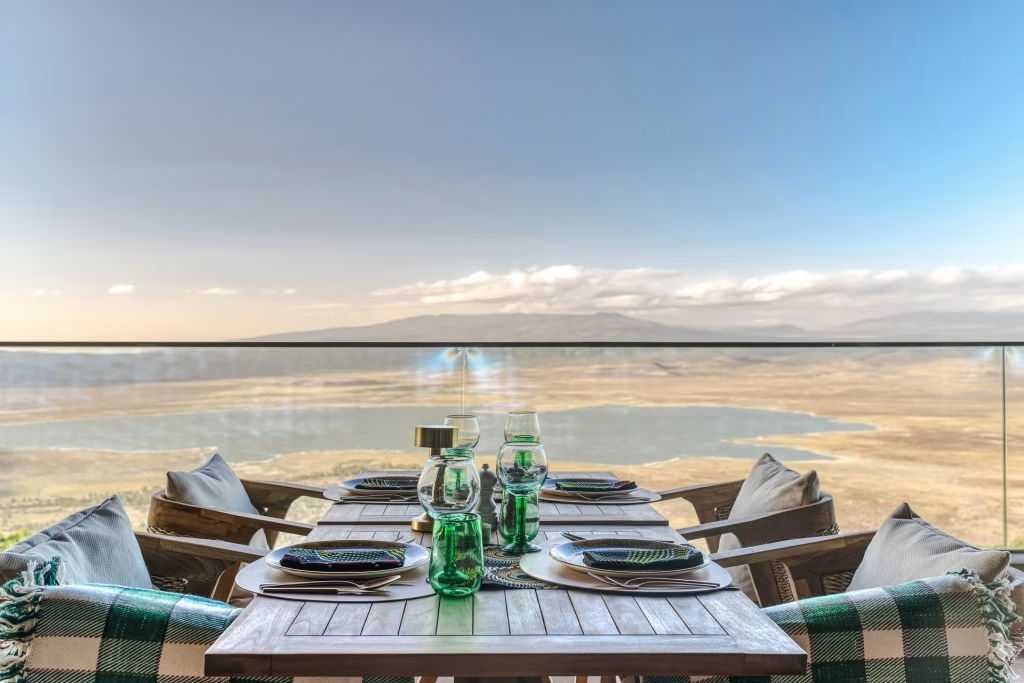
A bush breakfast is a hearty meal served in the wilderness at sunrise. Chefs prepare a hot full-English or local breakfast right there on a camp stove. A table is laid out with crisp linens and china, fit for an Out of Africa scene. You might start with a toast of champagne, wash up with warm water from jugs, then feast on eggs, bacon, fresh bread and fruit while gazing over the Serengeti. It’s an unforgettable way to start the day, surrounded by open sky and wildlife sounds.
- Duration: About 45–60 minutes, usually early morning (choose your time with your accommodation).
- Best time: Early dry-season mornings for clear weather and fresh air, but offered year-round by many lodges.
- Tips: Dress warmly for the chilly dawn. Arrive hungry! Enjoy the novelty of dining outdoors – don’t forget to take a photo of your alfresco table setting.
Bird Watching
Tarangire is a birdwatcher’s paradise, boasting over 550 species recorded in the park. Its mix of savanna, woodland and wetlands means you can spot both colorful residents and migrants. Notable rare species include Tanzania’s three endangered birds – the Rufous-tailed Weaver, Ashy Starling and Yellow-collared Lovebird – which all occur here. Look in the acacia groves and riverine woods for hoopoes, hornbills, white-bellied go-away-birds and parakeets, and listen for the flashy call of lilac-breasted rollers. In the dry season, large congregations at Silale and Tarangire River attract predators but also waterbirds like herons and storks. Other highlights are the southern ground-hornbill, white-headed buffalo-weaver and tiny Miombo wren-warbler. Peak birding is often during and just after the rains (November–April), when migrants and waterbirds swarm the swamps and floodplains. – Tarangire’s rich birdlife (many valued by twitchers) makes every safari here a constant bird-watching adventure
The Swamps
Tarangire’s floodplains hide several seasonal and permanent swamps, each with its own character. These wetlands are crucial in the dry season, sustaining wildlife when other waterholes disappear. Three notable swamps are Silale, Mamire, and Lormakau
Silale Swamp
Silale is the largest and most famous swamp in Tarangire’s south. In the dry season it becomes a vast open lagoon surrounded by grassy plains. “Huge masses of herbivores stream into the park for its water supply” at Silale – elephants, zebras, wildebeest and buffalo gather here in droves, which in turn attracts predators like lions, leopards and packs of wild dogs. The scenery is breathtaking: broad, flat grasslands dotted with water and flanked by distant Sambu Mountains. Birds flourish too – crowned cranes and great egrets strut the shallows, and tens of thousands of waterbirds (jacanas, herons, ducks and even flamingos in wet years) flock to its banks. In short, Silale Swamp is a wildlife magnet and a photographer’s dream: it supports huge herds and their predators, as well as rich bird life, all set in sweeping open terrain.
Mamire Swamp
Mamire is a smaller, reed-lined swamp further south. Unlike Silale, Mamire usually fills up only during and just after the rains. When full it is lush with papyrus and bulls’ hearts, providing habitat for hippos, waterbuck and many waterbirds. However, Mamire often shrinks dramatically by the late dry season. In those months it may dry out, leaving only pools or marshy patches, so wildlife moves on to larger sources. In short, Mamire is more seasonal and intimate than Silale: in the wet season it offers dense swamp vegetation teeming with waterbirds, but in the dry season it typically disappears from the landscape. (By contrast, Lormakau and Silale hold water nearly year-round.)
Lormakau Swamp
Lormakau (near the park’s southeast boundary) is one of Tarangire’s few permanent wetlands. Even in the dry season it holds some water, so it continues to draw wildlife when smaller swamps dry up. Although smaller than Silale, Lormakau is likewise a gathering point for animals in the dry months. Elephants, buffalo and antelope frequent its pools of water and tall marsh reeds. Predators may lurk along the edges. For visitors, Lormakau offers a quieter, bushier swamp experience – fewer vehicles and more sense of remoteness – but it is just as vital to wildlife. The permanent water and papyrus thickets mean birds are plentiful here year-round, from kingfishers and herons to colorful weavers. In short, Tarangire’s swamps differ in scale and seasonality: Silale is broad and open with sweeping vistas, Mamire is small and papyrus-dominated, and Lormakau is a perennial marsh that always sustains hungry wildlife
Wildlife Management Areas (WMAs)
A Wildlife Management Area (WMA) in Tanzania is communal land set aside by villages for wildlife habitat. In practice, local communities collectively manage the WMA and receive tourism revenue in return. This community-based approach aligns conservation with development: villages benefit directly (schools, clinics, jobs) from protecting wildlife, so they have a strong stake in keeping animals and habitat healthy. In the Tarangire region there are several such WMAs, where Maasai communities host tourism under special agreements. Below we look at three examples around Tarangire.
Sangaiwe WMA
The Sangaiwe area (near the new Sangaiwe Gate of Tarangire) is essentially community land for wildlife tourism. Local Maasai villagers “entrusted the land to” a lodge operator, keeping the native acacia forest intact For example, Sangaiwe Tented Lodge sits on 40 acres of Maasai-owned hillside and was built to minimize environmental impact (solar water heating, indigenous plants, etc.). Wildlife is typical Tarangire game – elephants, zebra, impala and many birds use the woodland. By hosting tours and nature walks here, Sangaiwe villagers earn income and jobs. The result is a true WMA in spirit: local people protect the habitat and wildlife, while safari guests enjoy uncrowded wildlife viewing on community land.
Burunge WMA
Burunge WMA lies between Tarangire and Lake Manyara. It covers land of nine villages, and all tourism fees are pooled to support local development. This area forms a key “bridge” habitat: wildlife freely moves here from both national parks. Visitors often see iconic species – especially its famous big-tusked elephants (longer tusks than anywhere else in Africa). Lake Burunge itself hosts flocks of flamingos and hippos, while seasonal herds of zebras, giraffes and buffalo wander through the woodlands. Over 200 bird species have been recorded here, making it a birdwatcher’s paradise.
Randilen WMA
Randilen WMA is a community-run conservation area just east of Tarangire, covering about 312 km². It is “owned by the Maasai community” and governed together by local villages. Only guests staying at Randilen’s small lodges and camps may enter, making wildlife encounters very exclusive. Here the Maasai pride themselves on sharing an unfenced wilderness: visitors can get “closer to wildlife than in any national park in Tanzania” – encountering elephants up close, following lion prides or even glimpsing elusive wild dogs and kudu. Income from tourism is channeled back to the same communities that protect the land (for anti-poaching patrols, schools and clinics).
Explore our thoughtfully crafted collection of bespoke safaris, designed with care for the little things that shape a truly seamless adventure. From smart drive times and well-paced days to meaningful experiences, time to breathe, expert insight, and trusted local guidance, every itinerary is built to feel effortless, immersive, and entirely your own.