Serengeti Game Drives – Included
Game drives are classic Serengeti safaris. You ride in an open 4×4 with an expert guide searching for wildlife. During a drive you may spot lions lounging, elephants lumbering, and giraffes grazing against endless golden plains. The cool dawn and dusk hours are most active as animals come to water or stalk prey, making morning and late-afternoon drives especially rewarding. Guides follow animal spoor where wildlife gathers. In the dry season the sparse trees and grass make wildlife easier to see, while in the green season fresh growth brings calves and predators out into the open. Game drives are exciting, safari-style adventures that immerse you in the Serengeti wilderness.
- Duration: Typically 3–4 hours for a half-day drive (morning or afternoon) or 6–8+ hours for a full-day drive.
- Best time: Year-round. Wildlife viewing is often best at sunrise or sunset (when animals are most active). Dry months (June–Oct) generally offer clear skies and better sightings.
- Tips: Dress in layers (mornings are cool, midday can be warm). We provide binoculars, water. Keep quiet and follow your guide’s instructions for the best views and safety.
Serengeti Crossings – Included
Grumeti River Crossing
Grumeti River Crossing
One highlight of the Great Migration is the Grumeti River crossing in the western Serengeti. Each June–July, thousands of wildebeest and zebra detour westward and brave the crocodile-filled Grumeti River on their journey north. This rare event is thrilling but generally less crowded than the Mara River crossing. Observers with a patient eye can witness wildebeest launch into swirling waters while crocodiles lurk beneath. Even if you miss the big jump, the green corridor around the river offers sightings of big cats, hippos, and other wildlife drawn to the water.
- Duration: Part of a game drive, usually a morning or afternoon of searching by the river. Allow a few hours to stake out the crossing site.
- Best time: Late June to July. This is when the herds typically reach the Grumeti.
- Tips: Your guide is knowledgeable with migration patterns. Be prepared to wait: crossings can take days to build. Bring a long lens for photos. Watch and listen for dust clouds on the riverbank – they often signal that a crossing is imminent.
Mara River Crossing
Mara River Crossing
The most famous migration spectacle is the Mara River crossing in northern Serengeti (near the Kenya border). From about July through August, massive herds gather and plunge into the river, pursued by stalking crocodiles. The scene is chaotic and dramatic: wildebeest scatter, predators pounce, and dust billows as survivors scramble to safety. Thousands make the crossing over several days, and the sight of hundreds of animals swimming against a current is unforgettable. Many camps in the Serengeti’s northern sector stay mobile to follow the herds and offer guests front-row seats to this “Great Drama”.
- Duration: A full-day excursion centered on the river. Many travelers spend 1–2 days in the area to increase chances of seeing an action-packed crossing.
- Best time: July to early September, peak being August. Crossings can begin in late June and continue through early October, depending on weather.
- Tips: Book well in advance – this is peak season. Stay alert and maintain safe distance; guides often scout riverbanks for the best vantage. Consider combining a Tanzanian Safari with the Masai Mara in Kenya (the herds migrate back and forth) to maximize your odds of seeing crossings on both sides of the border.

Serengeti Balloon Safari – USD599 Per Person
A hot-air balloon safari is a magical Serengeti adventure at dawn. You’re picked up in the pre-dawn dark for a silent drive to the launch site. Then you ascend with the sun, floating over golden plains strewn with acacia trees. As the balloon drifts, you watch herds of wildebeest, zebra and elephants below; the whole savannah unfolds in a panoramic dawn glow. An hour later you land in the middle of nowhere for a champagne toast and a gourmet bush breakfast under a tree. Every moment feels cinematic, from the balloon’s inflation to that first sip of bubbly.
- Duration: About 1 hour in the air (typically from just before sunrise to about 8am), plus time for the early morning drive and bush breakfast.
- Best time: Year-round, but especially dry season (June–October) when winds are gentle and skies are clear. Flights often start around 6:00–7:00 AM.
- Tips: Dress very warmly for the chilly pre-dawn (layers and a hat). Secure your camera in the basket. Enjoy the once-in-a-lifetime view of the sunrise over the Serengeti. Don’t miss the post-flight toast and elegant breakfast – it’s part of the adventure
Serengeti Rhino Tracking – Ask for pricing
Rhino tracking in the Serengeti is a rare and special adventure. These endangered giants are carefully protected within the Ngorongoro Conservation Area and certain zones of Serengeti National Park. With an expert ranger and tracker, you set out to search for black rhinos in their natural habitat. Every footprint, dung pile, or broken branch tells a story, and the thrill of spotting one of Africa’s most elusive animals is unforgettable. Beyond the excitement, rhino tracking highlights the importance of conservation and the Serengeti’s role in protecting endangered species.
- Duration: 2–4 hours, usually in the morning when rhinos are most active.
- Best time: Dry season (June–October) for easier tracking and visibility.
- Tips: Wear sturdy walking shoes and neutral clothing. Stay quiet and follow ranger instructions closely. Carry binoculars for distant sightings and remember—this experience is as much about the journey and learning as the sighting itself.
Serengeti Gol Kopjes – Ask for pricing
The Gol Kopjes are a rugged cluster of granite outcrops in the eastern Serengeti, famed for abundant wildlife. Often called the “The rock garden” of the Serengeti, this area boasts Africa’s highest density of cheetahs. During the green season the kopjes and small valleys teem with gazelles and impala, which attract hunting cheetahs. You might see big cats lounging on sun-warmed rocks or sprinting after prey across the plains. The open terrain and clear light make Gol Kopjes a top spot for game viewing and wildlife photography.
- Duration: A half-day game drive (3–5 hours) exploring the kopjes and nearby floodplains.
- Best time: Green season (November–April). When the rains have recently fallen the grass is short and wildlife congregates around kopje vantage points.
- Tips: Bring binoculars and a telephoto lens. Park on or near the kopjes to gain high viewpoints. Be patient and quiet – cheetahs often lie in wait under rocks. Early morning is great for action as the sun spots animals before it gets too hot.
Serengeti Photography – Included (Only a few accommodations)
A photography hide is a concealed blind at a waterhole or game trail, offering a unique view of wildlife. Staying in a hide lets you sit still and wait for animals to approach, without spooking them. In the Serengeti, some camps and mobile safaris provide sturdy underground or canvas hides furnished for photographers. From inside, you can shoot intimate scenes of elephants drinking, predators hunting, or birds bathing, often at eye level. This offers game-viewing and photo opportunities you won’t get from a moving jeep.
- Duration: Often 2–3 hours per session (sometimes at dawn or dusk), or even overnight stays if offered.
- Best time: Year-round; early morning or late afternoon light is best for photography. Dry season nights are star-filled if your hide lets you stay after dark.
- Tips: Confirm with your us if hides are available and book early. Pack multiple lenses (wide and zoom) and a beanbag or tripod. Move very slowly and keep noise to a minimum inside the hide. Don’t forget snacks and water if you plan a long session.
Serengeti Walking – Ask for pricing
Walking safaris let you experience the Serengeti on foot. Led by an armed ranger guide, you explore safe areas of the park on a slow-paced hike. This brings you up close to nature: you’ll hear subtle birdcalls, inspect animal tracks, and observe small creatures that often go unnoticed on vehicle drives. The guide teaches “bushcraft” skills like tracking and identifying plants used by Maasai people. These walks are highly regulated for safety; they occur only in designated buffer zones or private concessions where big predators are monitored. As a result, you might safely watch zebra, buffalo or giraffe grazing nearby, all while feeling the heartbeat of the wild under your feet.
- Duration: Usually 2–3 hours (morning or evening walk), sometimes up to half a day.
- Best time: Dry season (June–October), when ground conditions are stable and wildlife gathers around few water sources. These conditions make walking safer and animal viewing more reliable.
- Tips: Wear sturdy, closed-toe hiking shoes and neutral-colored clothing. Bring sunscreen, a hat, and plenty of water. Listen to your guide at all times and never stray from the group. Speak softly so as not to startle animals – you may be surprisingly close to wildlife!
More Serengeti Experiences – Ask for pricing
Sundowner
Serengeti Sundowner
A sundowner is a beloved safari ritual: you pause the late afternoon game drive to enjoy drinks and snacks as the sun sets. As the sky turns orange, your guide stops at a scenic overlook or kopje. A small table and chairs are set up, and you raise a cold drink (often gin and tonic or local beer) to toast the day. The savannah stretches out below with silhouettes of acacia trees, and the golden light is perfect for photos. The quiet African dusk – filled with bird calls and distant animal sounds – makes sundowners feel almost spiritual. It’s a celebratory break that brings safari travelers together at twilight.
- Duration: About 30–60 minutes around sunset.
- Best time: Any clear evening, year-round. The dry season offers especially vivid sunsets and fewer clouds, but even rainy-season sunsets can be dramatic.
- Tips: Bring a light sweater or wrap as temperatures drop quickly. Keep your camera ready for spectacular sky colors. Sip slowly and savor snacks (biltong or local canapés) provided by the lodge. Enjoy the quiet view – it’s a time to relax and recount the day’s safari highlights
Bush Breakfast
Serengeti Bush breakfast
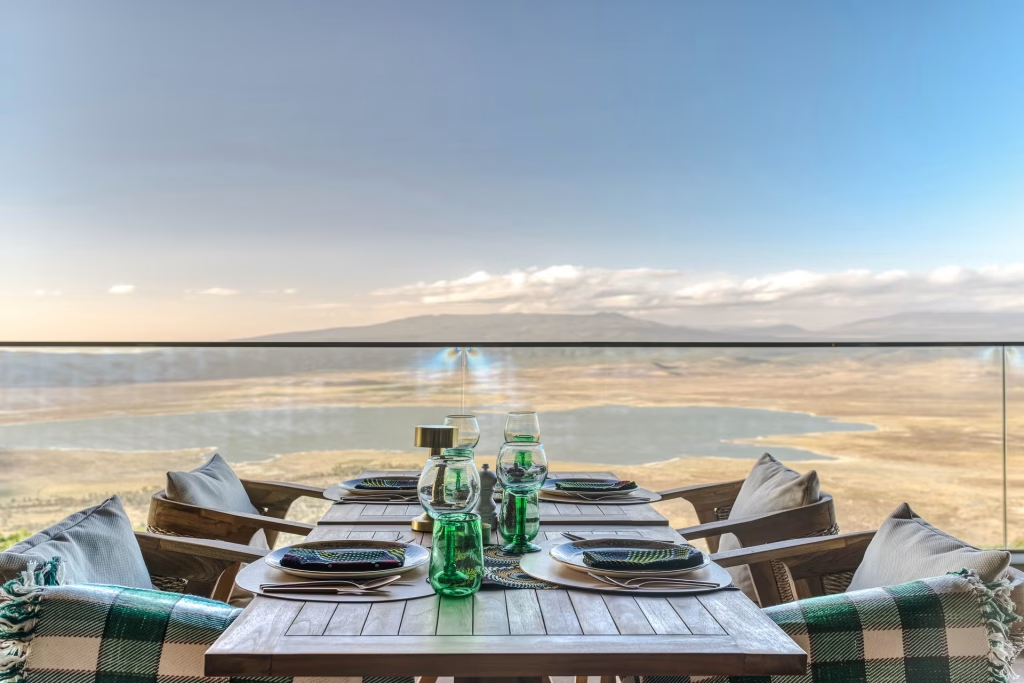
A bush breakfast is a hearty meal served in the wilderness at sunrise. Chefs prepare a hot full-English or local breakfast right there on a camp stove. A table is laid out with crisp linens and china, fit for an Out of Africa scene. You might start with a toast of champagne, wash up with warm water from jugs, then feast on eggs, bacon, fresh bread and fruit while gazing over the Serengeti. It’s an unforgettable way to start the day, surrounded by open sky and wildlife sounds.
- Duration: About 45–60 minutes, usually early morning (choose your time with your accommodation).
- Best time: Early dry-season mornings for clear weather and fresh air, but offered year-round by many lodges.
- Tips: Dress warmly for the chilly dawn. Arrive hungry! Enjoy the novelty of dining outdoors – don’t forget to take a photo of your alfresco table setting.
Yoga
Fittness: Yoga & Meditation
Some Serengeti lodges now offer yoga and meditation sessions amid the wild landscape. Imagine greeting the dawn with a gentle yoga flow on a deck overlooking the plains. Four Seasons Serengeti & Serengeti Explorer, for example, has daily Sunrise Yoga sessions at 7:00 AM (about 60 minutes) to welcome the new day. They also lead a guided Sunset Kopje Meditation (75 minutes) atop a hill with panoramic views of the savannah. These wellness experiences help you relax and stretch out in harmony with nature. The sounds of the bush – a morning bird chorus or the evening breeze – become part of the practice.
- Duration: Typically 60 minutes per session (some special sessions like kopje meditation may be 75 minutes).
- Best time: Early morning or late afternoon. Sunrise classes (around 7:00 AM) and sunset sessions make use of the cooler, quieter hours.
- Tips: Wear comfortable athletic wear or a swimsuit. Bring water and a towel or yoga mat (lodges often provide mats). Even outdoors, use sunscreen and bug spray. And most importantly, take a few deep breaths and enjoy the peaceful Serengeti atmosphere.
Star Gazing
With its remote location and no light pollution, the Serengeti is a star-gazer’s paradise At night the sky becomes a vast dome studded with stars, the Milky Way bright and clear. On moonless nights you’ll see constellations like Orion’s Belt and the Southern Cross glowing overhead. Many safari camps provide blankets on decks or even professional astronomers and telescopes to help you explore the heavens. Lying on a camp mattress or sitting by a fire, you can spot planets and satellites passing by. It’s also a chance to hear nocturnal wildlife stirring in the distance – a reminder that the Serengeti is alive both day and night.
- Duration: Varies – a guided stargazing session may last 1–2 hours after dinner, or you can simply step outside anytime.
- Best time: Dry season (June–October), when clear, dust-free skies prevail. Pick a moonless night for maximum stars.
- Tips: Bring a warm blanket or sweater (deserts can get cold at night). Use a stargazing app to identify constellations, or ask your guide for a sky tour. Look for shooting stars (meteor showers can be very bright) and enjoy the Milky Way’s band across the Serengeti sky
Bird Watching
The Serengeti is a birdwatcher’s paradise, home to over 500 species of birds. From the colorful lilac-breasted roller to vast flocks of flamingos on seasonal lakes, the diversity is dazzling. Raptors soar over the plains, ostriches stride across grasslands, and wetlands echo with storks, herons, and crowned cranes. Birding safaris let you slow down, listen, and appreciate details often missed on big-game drives. Expert guides know where to find rare endemics like the Fischer’s lovebird or Kori bustard—the heaviest flying bird in the world.
- Duration: Half-day or full-day excursions dedicated to birdwatching, often early mornings when birds are most active.
- Best time: November–April (green season), when migratory birds arrive and many species are in breeding plumage. Year-round birding is rewarding in Serengeti.
- Tips: Bring a good pair of binoculars and a bird field guide. Dress in muted colors for less disturbance. Carry a camera with a zoom lens for capturing small and distant species. Be patient—some of the best bird sightings come to those who sit quietly and wait.
Explore our thoughtfully crafted collection of bespoke safaris, designed with care for the little things that shape a truly seamless adventure. From smart drive times and well-paced days to meaningful experiences, time to breathe, expert insight, and trusted local guidance, every itinerary is built to feel effortless, immersive, and entirely your own.